
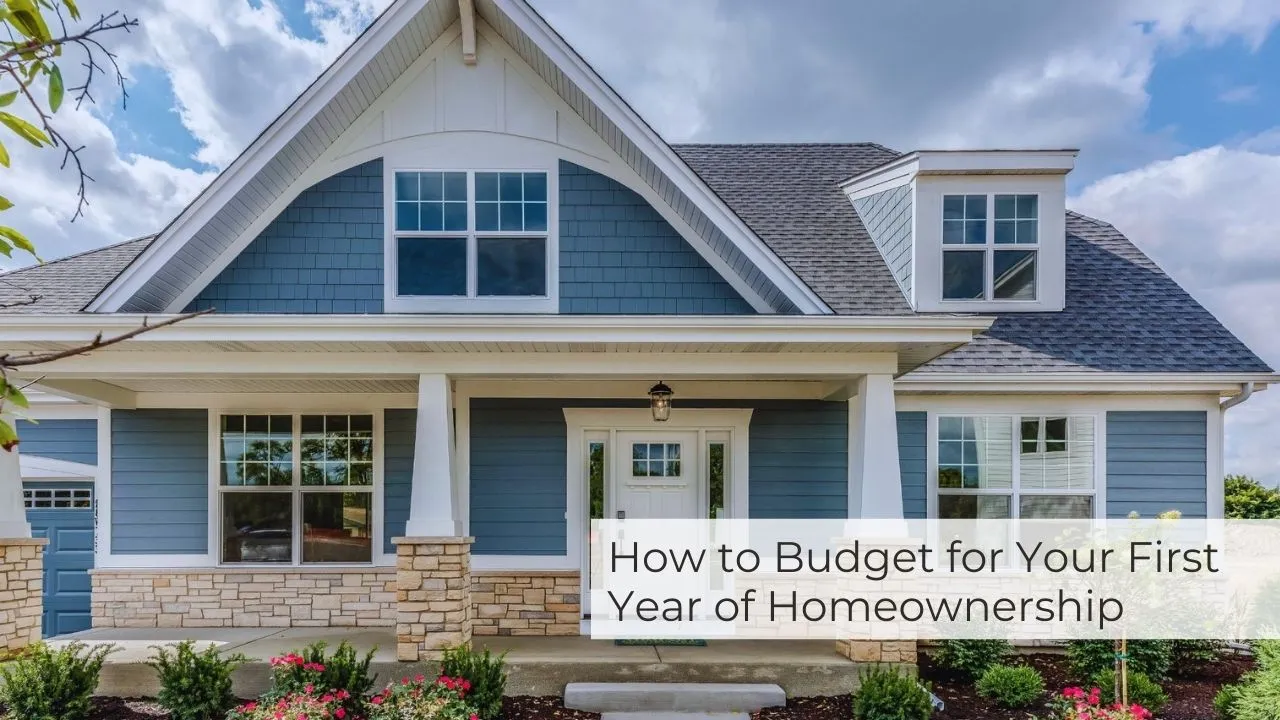
How to Budget for your First Year of Homeownership
Buying your first home is exciting - finally having a place to call your own, decorating it just the way you like, and building equity instead of paying rent. But with the excitement comes responsibility, especially when it comes to budgeting. Your first year of homeownership can come with unexpected expenses if you’re not prepared. Here’s how to budget wisely and make your first year smooth (as much as possible) and stress-free.
1. Understand Your Monthly Housing Costs
Before you even move in (really, before you BUY) you need a clear picture of your ongoing monthly expenses. These typically include:
- Mortgage payments – principal and interest
- Property taxes – often paid monthly or semi-annually
- Home insurance – essential for protecting your investment
- Utilities – electricity, gas, water, and sometimes garbage collection
- Repairs – even if everything is new, budgeting roughly 0.5-2% of your home’s value annually for upkeep is smart.
2. Build an Emergency Fund
Unexpected costs happen, no matter how new your home, how expensive, or high quality. A broken appliance, a leaky faucet, or even an HVAC repair can happen at any time. For first-time homeowners, it’s particularly important to have a cushion beyond your regular savings so you don’t get caught off guard. I personally call this your ‘oh sh*t’ fund. It’s a fund you don’t want to tap into, but I always advise you set aside extra money every month to add to this account. If that ‘oh no!’ moment happens, you will be more financially (and emotionally) equipped to handle it.
3. Plan for Moving and Set-Up Costs
Moving into your new home involves more than just packing boxes. Your first year may include:
- Moving company or truck rental
- New furniture or appliances
- Window coverings, décor, or paint
- Tools and lawn/garden equipment
- Pizza and cold drinks for those helpful friends and family
These are often overlooked but can add up quickly. Including them in your first-year budget helps avoid surprises.
4. Don’t Forget Ongoing Home Maintenance
Maintenance is a critical part of budgeting as a homeowner. Some common first-year costs include:
- Lawn care and landscaping
- HVAC servicing
- Pest control
- Minor repairs like leaky faucets
- Snow removal
Setting aside a “home maintenance fund” each month (even a small amount) can make these costs manageable.
5. Factor in Lifestyle Changes
Owning a home can sometimes change your spending habits. Maybe you’ll spend more on groceries because you’re entertaining at home, or on utilities because your space is larger. Budget for:
Higher utility bills
Home improvement projects you can’t wait to tackle
Additional insurance or service plans
New furniture (that couch you thought would be fine may suddenly not bring you joy)
6. Consider Long-Term Financial Goals
Finally, remember that homeownership isn’t just about covering monthly costs, it’s also an investment. If your budget allows, consider:
- Paying extra toward your mortgage to build equity faster. This can be done by accelerated payments, or a bulk payment at the end of the year.
- Starting a renovation fund for future upgrades
A well-planned budget keeps your finances healthy while maximizing the benefits of owning a home.
Final Thoughts
Your first year of homeownership is full of learning, growth, exciting milestones, but also, a little fear (and that’s ok). By budgeting carefully and planning for both expected and unexpected expenses, you’ll reduce stress and enjoy the excitement that come with owning your own home.